
Industrial DDR4 in Railway Signaling: Wide-Temperature Dependability
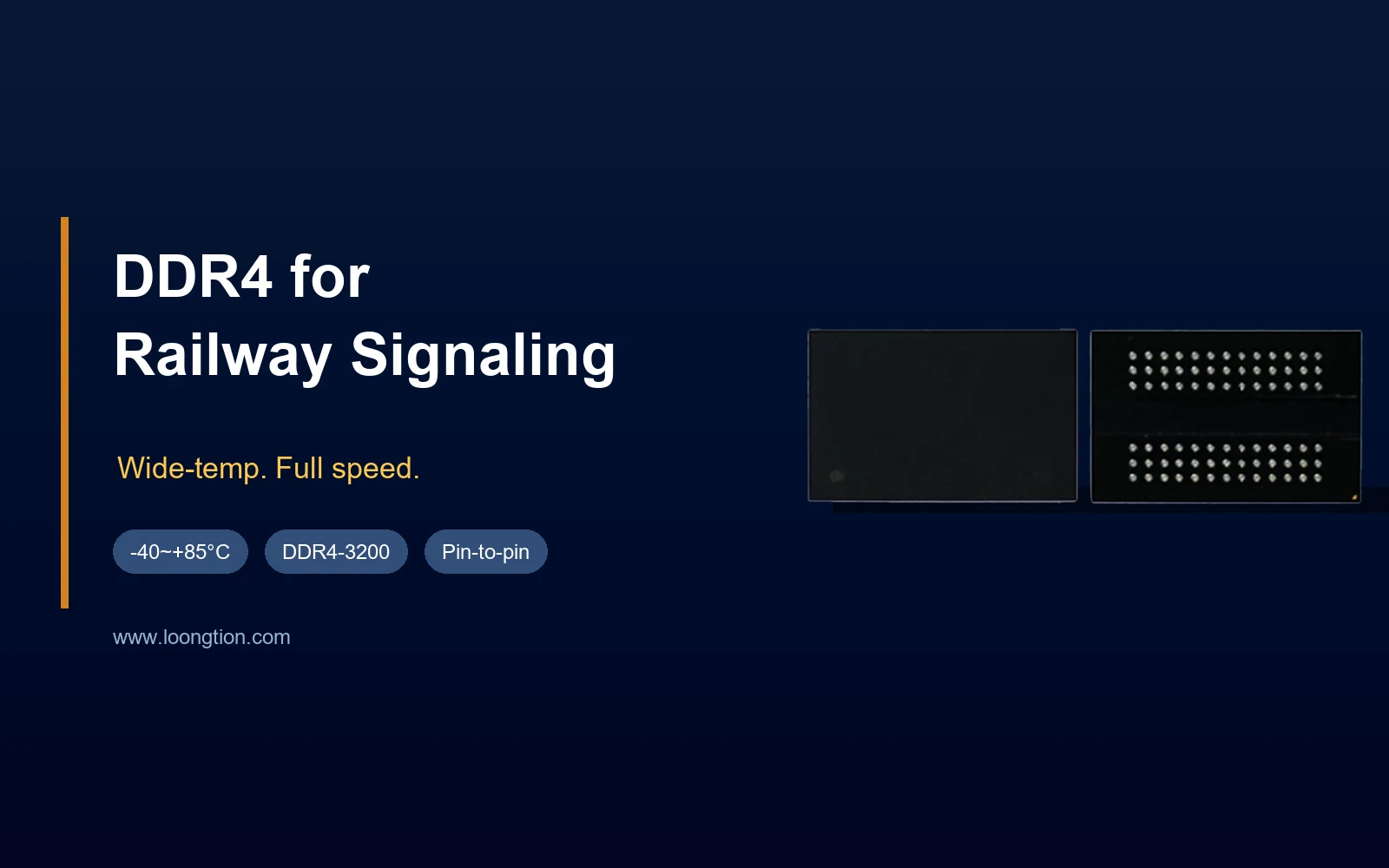
Train control computers boot reliably in unheated trackside shelters. A look at why wide-temperature DDR4 (-40°C to +85°C at full DDR4-3200 speed) is the right choice for signaling systems, and how Loongtion's pin-to-pin verified parts fit.
Scene
A signaling equipment room beside a railway line is not a comfortable place for electronics. In summer, the cabinet surface temperature can exceed 55°C; in winter, unheated trackside shelters can drop below -20°C. Yet the train control computer inside must boot reliably every time, because nothing is less acceptable than a failed start on a signaling system.
Railway signaling — interlocking systems, automatic train protection, and axle counters — belongs to the class of safety-related industrial equipment where memory is selected for dependability rather than price. The memory devices sit in sealed enclosures, see wide thermal swings, and are expected to operate for over a decade with minimal maintenance.
Why DDR4 wide-temperature memory matters here
The signaling controller typically integrates a DDR4 DRAM array for its application processing and diagnostics logging. Consumer-grade DDR4 parts are specified for 0°C to +85°C and are frequently the cheapest option on the BOM, but they are also the first to show marginal behaviour when a cabinet idles in the sun and the ambient climbs past their recommended range.
Loongtion's industrial DDR4 chips are specified for -40°C to +85°C wide temperature operation, and — importantly — they maintain DDR4-3200 full-speed operation across that range. Many alternative parts, including some from tier-one vendors, drop to 2666 MT/s at extended temperatures to remain within timing margins. For a signaling controller that is periodically re-certified, a guaranteed speed bin matters more than a marginally lower unit price.
The Loongtion DDR4 option
| Original part | Loongtion equivalent | Density | Package | Fit |
|---|---|---|---|---|
| Samsung K4A8G165WC-BCWE | YZ48G16V-F9HPI-M | 8 Gb | FBGA96 (×16) | Pin-to-pin (verified) |
| Micron MT40A512M16JY-07EAIT:B | YZ48G16V-F9HPI-M | 8 Gb | FBGA96 (×16) | Pin-to-pin |
| Micron MT40A1G8WE-075EAIT:B | YZ48G08V-F7HPI-M | 8 Gb | FBGA78 (×8) | Functional alternative |
Two package variants cover both bus widths: ×8 parts use the FBGA78 ball map, ×16 parts use FBGA96. They are not interchangeable — a ×16 socket cannot accept a ×8 device, and vice versa. Loongtion's dual-package coverage lets a signaling OEM qualify one supplier for both configurations, simplifying the certification paperwork.
Selection notes
- Confirm the ball map, not just the density. A K4A8G165WC replacement must be the FBGA96 ×16 part (YZ48G16V). Sourcing a ×8 device to replace a ×16 original will fail at board level.
- Verify the speed bin against the controller timing budget. If the SoC expects DDR4-3200, choose the part that sustains 3200 MT/s at the operating temperature; a 2666-rated alternative may force a firmware or board re-qualification.
- Check the temperature grade against the installation environment. Trackside enclosures with no active cooling justify wide-temperature (-40°C to +85°C) parts even when the average ambient seems mild.
- Plan for long product life. Signaling equipment stays in service 10-15 years. Confirming a stable, non-EOL supply path for the DRAM is part of the procurement decision, not an afterthought.
For signaling integrators managing a legacy BOM where an original DRAM part is reaching end-of-life, Loongtion's cross-reference database covers Samsung and Micron DDR4 families with verified fit notes. The engineering team works directly with OEMs to validate ball maps and timing before production quantities are committed.
Related products
Product lines commonly shortlisted for this application — open a page for PN, temperature grade, and datasheet request.
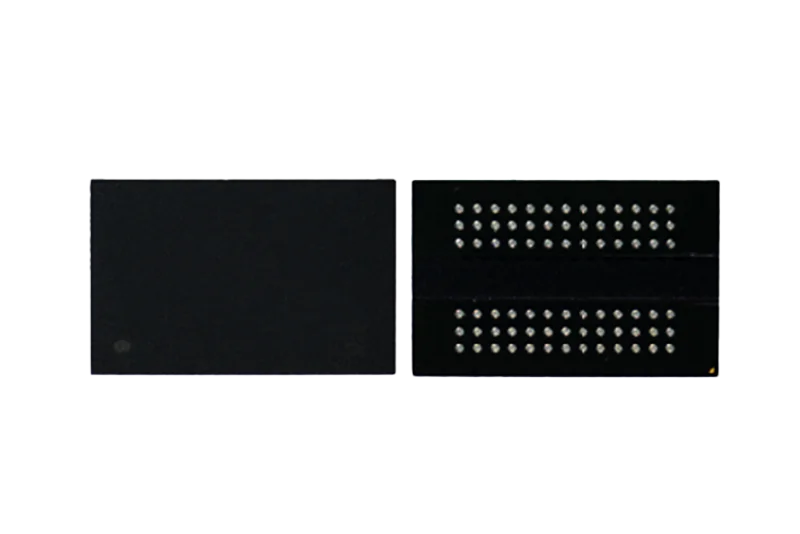
8Gb DDR4 DRAM Chip · Wide-temp · CN
- DDR4 bandwidth
- China-localized supply (CN)
- Drop-in planning
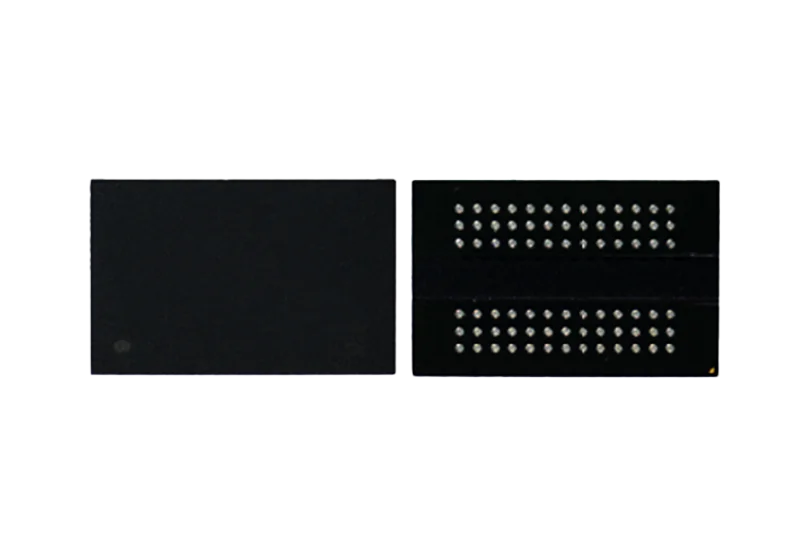
8Gb DDR4 DRAM Chip · Wide-temp
- Both wafer and package
- FBGA78/FBGA96 package
- Supports VDD(VDDQ) 1.2V +/-