
Case Study: Stopping Frame Drops on a 3C Plant's AOI Line with an NVMe BGA SSD
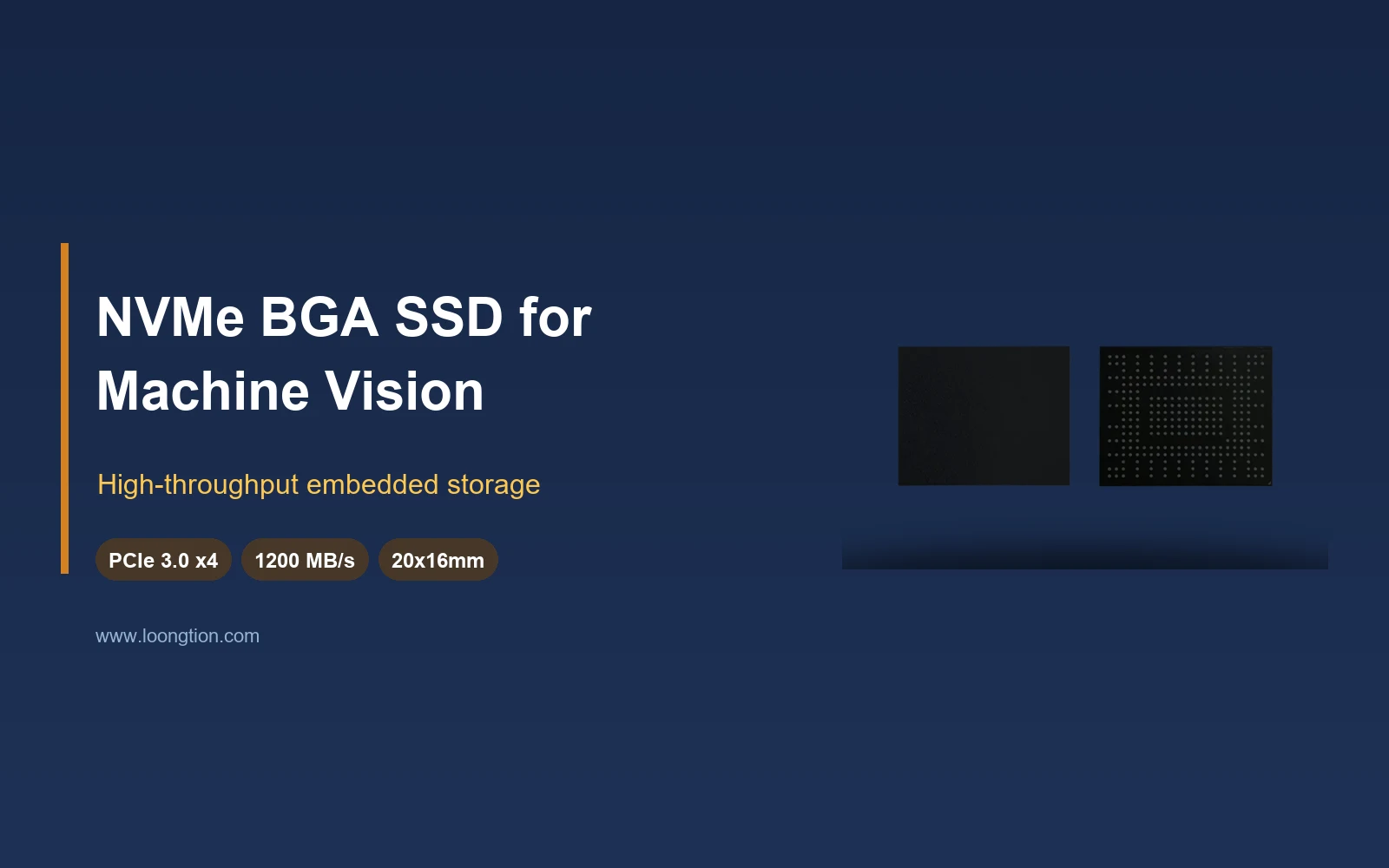
How a consumer-electronics factory's AOI inspection stations stopped dropping frames by moving from eMMC to a solder-down NVMe BGA SSD — no board redesign.
The situation
A consumer-electronics contract manufacturer runs automated optical inspection (AOI) stations on its PCB assembly lines. Each station captures high-resolution images of every board, runs defect-detection software, and archives the images for traceability. As line throughput grew and camera resolutions climbed, the stations began dropping frames — images that never made it to storage, which meant boards that were never actually inspected.
The problem
The stations' storage was the bottleneck, and it was embedded:
- eMMC throughput ceiling. The original boards used eMMC 5.1 storage, whose sequential performance was fine for booting but far below what a continuous high-resolution image stream needed. At peak line speed, the write path simply could not keep up.
- Solder-down design. The storage was soldered to the board — no slot, no swap. The fix had to fit the existing footprint.
- Floor environment. The AOI stations sit on the production floor, unair-conditioned in summer, with line vibration. The replacement had to be an industrial-grade part.
The search
Replacing the stations was rejected immediately — 30+ units, each qualified for its line, would mean weeks of downtime. The team needed storage with PC-class throughput in a solder-down BGA package: an NVMe BGA SSD.
The solution
They qualified a PCIe 3.0 NVMe BGA SSD in a 20 × 16 × 1.3mm package:
- Sequential throughput 4-8x eMMC. Sustained reads over 1,100 MB/s and writes at 550 MB/s (TLC mode) — the image write path stopped being the constraint.
- 24-40x random-write IOPS vs eMMC. Inspection software queues image tiles, metadata and logs in parallel; the random-access headroom kept the queues clear.
- HMB. Host Memory Buffer kept random IOPS high without local DRAM on the board.
- pSLC mode for the recording-heavy stations. Configurable pSLC raised write endurance and sequential write to 1,300 MB/s for the stations that archive every image.
- Wide-temperature rating. Rated for the un-airconditioned floor environment.
The result
The first five AOI stations were converted during a planned line shutdown. Frame drops on the converted stations went to zero at full line speed, and the archive write path had margin for the next camera upgrade. The remaining stations were converted over the following two quarters, and the NVMe BGA SSD became the standard storage for new AOI builds.
The yield team's conclusion was blunt: the cameras were never the limit — the storage was.
Selection notes if you're in the same situation
- Estimate the frame data rate first. Sensor resolution × frame rate × bytes per pixel gives the sustained write rate. Compare it against the storage's sequential write before choosing.
- Choose TLC or pSLC by the write profile. Continuous archiving favors pSLC (higher write throughput and endurance). Model-loading and reference-image workloads are fine in TLC.
- Plan the thermal path. A solder-down NVMe SSD dissipates heat through the board — check the thermal resistance and derate sustained write duty in sealed enclosures.
- Enable HMB on hosts without local DRAM. Random IOPS depend on it; confirm the host configuration.
- Verify OS and controller support. Linux, Windows and common embedded OSes are covered — check any proprietary RTOS.
The lesson
When an inspection line drops frames, the first suspect is usually the camera or the software. Sometimes it is the storage — a component so quiet nobody notices it until the line is at full speed. A solder-down NVMe BGA SSD brought PC-class throughput to a qualified embedded board, with the industrial temperature rating the floor required. Industrial memory suppliers such as Loongtion exist to serve exactly these applications.
Related products
Product lines commonly shortlisted for this application — open a page for PN, temperature grade, and datasheet request.
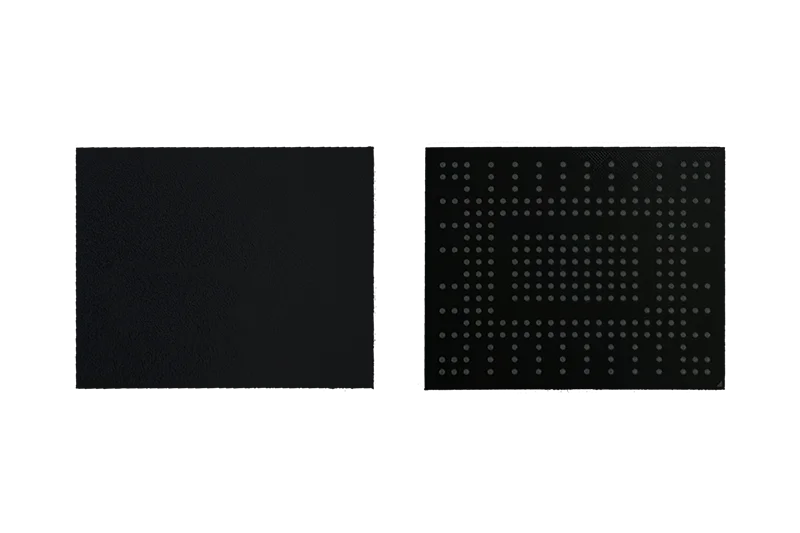
NVMe BGA SSD · Wide-temp
- FBGA291 Package
- PCIe Gen3×4 Interface
- Environmental testing
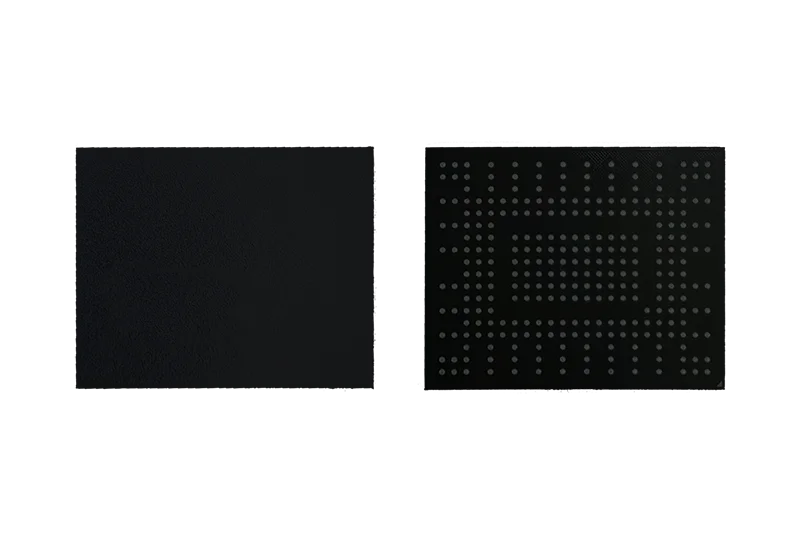
NVMe BGA SSD · Extreme
- Adopts PCIe Gen3×4 interface
- Compared with traditional
- Supports multiple systems