
Case Study: Fixing Winter Boot Failures on a Pipeline's Solar-Powered IIoT Gateways
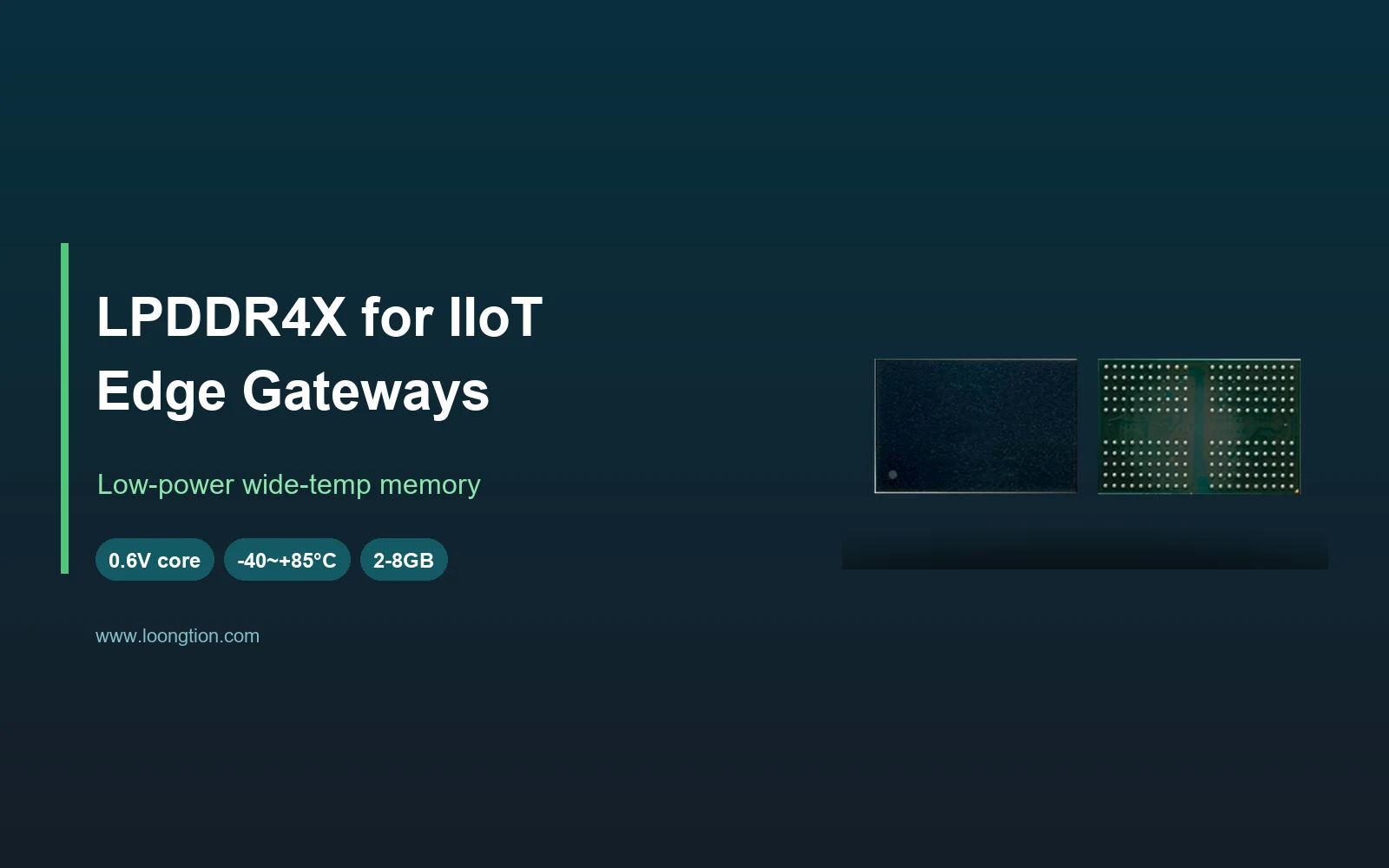
How an oil company's remote monitoring team cured gateway boot failures in -30°C winter with wide-temperature LPDDR4X — and cut standby power draw in the process.
The situation
An oil company operates hundreds of solar-powered remote monitoring gateways along a pipeline corridor in northern China. Each gateway reads pressure, temperature and flow sensors, applies local logic, and pushes data upstream over the cellular network. The units are designed to run for years on solar panels and a lead-acid battery — and they are bolted to unheated cabinets in terrain that sees -30°C in January.
Starting in the second winter of operation, the operator's monitoring center saw a pattern: on the coldest mornings, a growing number of gateways failed to wake from sleep and report in. Field visits confirmed the memory subsystem was the failure point — the LPDDR4X parts in the gateways stopped training reliably below -25°C.
The problem
Three constraints shaped the fix:
- The enclosures are unheated. The gateway has to boot and run at the ambient temperature of the site. A part rated only to -25°C was the root cause of the winter failures.
- Power is scarce. The units run on solar plus battery. Every milliwatt of standby draw shortens the dark-season endurance — memory power consumption mattered as much as temperature.
- Remote service is expensive. Sending a technician to a pipeline site costs a day of travel. The fix had to be reliable enough that nobody would have to go back.
The search
The gateway's original memory was a mobile-grade LPDDR4X part with a -25°C low-temperature limit — fine for a phone, wrong for a northern pipeline. The team evaluated two paths: reworking the gateway design around a different memory family, or finding an LPDDR4X variant with a real wide-temperature rating.
Reworking the design would have meant re-qualifying the whole remote-monitoring platform across hundreds of sites. The far simpler path was a like-for-like LPDDR4X replacement with a lower temperature limit and comparable low-power profile.
The solution
The qualifying replacement was an industrial-grade LPDDR4X family covering 2GB to 8GB in the same package as the original:
- -40°C to +85°C rating. The low end moved from -25°C to -40°C — 15°C of margin below the worst winter condition the sites actually saw.
- 0.6V core. LPDDR4X's low core voltage kept standby and low-frequency power draw at the level the solar/battery budget was designed around.
- Same footprint. The package matched the original board, so the gateway layout was untouched and existing field units could be retrofitted during scheduled maintenance.
- Density flexibility. The same package spans 2GB to 8GB, so future gateway variants could grow memory without a board change.
One caution the team verified during selection: the replacement had to be genuine LPDDR4X (0.6V core), not a 1.1V LPDDR4 part offered as "compatible" — the core voltages are different and the two are not interchangeable.
The result
The operator swapped memory in 60 gateways across the two northernmost pipeline sections during the autumn maintenance window. The following winter — the coldest in five years locally — saw zero cold-start failures on the converted units, while a control group on the original parts still logged wake failures. Standby power draw stayed within the original budget, and the company standardized the wide-temperature LPDDR4X as the default memory for all new gateway deployments.
Selection notes if you're in the same situation
- Confirm it is LPDDR4X, not LPDDR4. Some suppliers offer 1.1V LPDDR4 as a "compatible" part. It is not — verify the core voltage before substituting.
- Check the low-temperature limit specifically. A -25°C-rated part may look fine on paper and fail the January requirement. For unheated outdoor installations, require -40°C.
- Match the ball map, not the name. Different LPDDR4X packages have different ball maps — "LPDDR4X" on the label does not mean interchangeable footprints.
- Budget standby power, not just peak. For battery-powered devices, verify low-frequency and standby current draw, not just the active-mode figure.
- Retrofit during scheduled maintenance. If field units exist, plan the swap into the next maintenance window rather than emergency callouts.
The lesson
A remote IIoT gateway's worst enemy is not the sensor or the radio — it is the cold, and the memory that stops training below -25°C. Wide-temperature LPDDR4X, with its 0.6V core and -40°C rating, is what kept this pipeline's eyes open through winter. Industrial memory suppliers such as Loongtion exist to serve exactly these applications.
Related products
Product lines commonly shortlisted for this application — open a page for PN, temperature grade, and datasheet request.
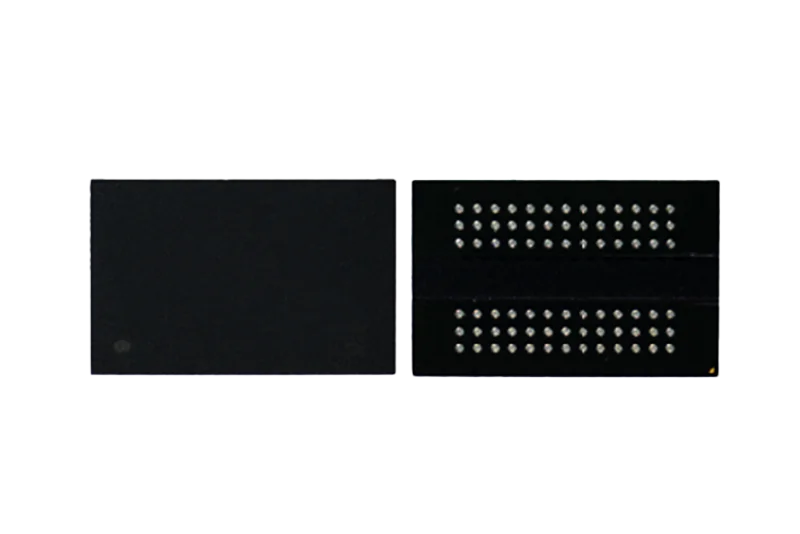
8Gb DDR4 DRAM Chip · Wide-temp · CN
- DDR4 bandwidth
- China-localized supply (CN)
- Drop-in planning
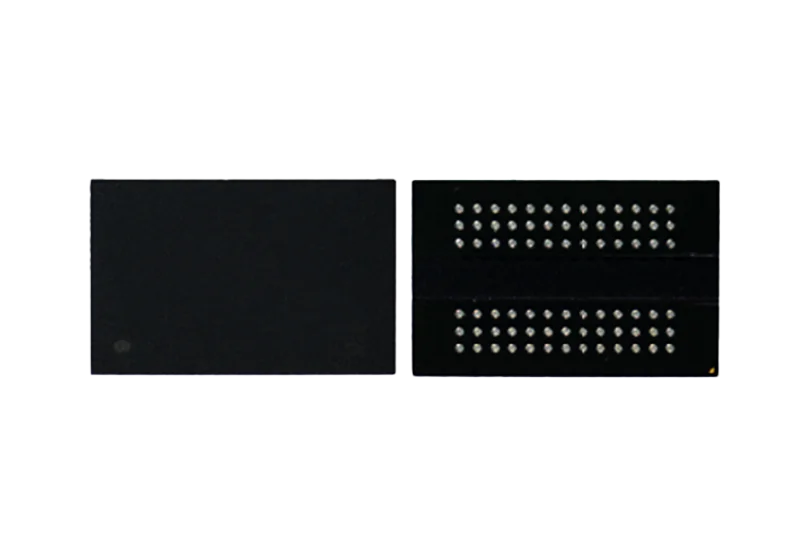
8Gb DDR4 DRAM Chip · Wide-temp
- Both wafer and package
- FBGA78/FBGA96 package
- Supports VDD(VDDQ) 1.2V +/-
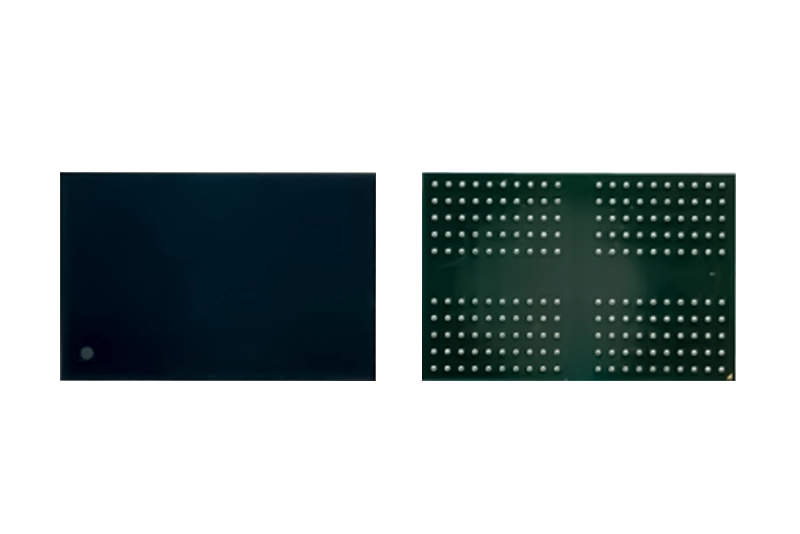
LPDDR4X DRAM Chip
- Slim FBGA178/FBGA200 package
- 0.6V core ultra-low voltage
- 100% domestic solution